Data Analytics: How NFL Players Spend Their Offseason in Japan
A data study from our archive tracking NFL player visits to Japan—analyzing yearly trends, peak months, positional breakdowns, and top destinations.
Data Analytics: How NFL Players Spend Their Offseason in Japan
Data current as of late June 2026. This study only reflects verified data currently stored in our database; unconfirmed rumors or undiscovered visits are not included.
1. Yearly Trends: The Growing Boom of NFL Visitors
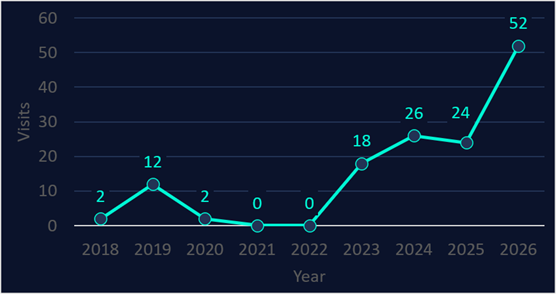
Our tracking began in 2018. As you can see from the graph, travel was severely restricted between 2020 and 2022 due to the COVID-19 pandemic, causing the number of verified visits to drop to near zero. However, since the world reopened in 2023, Japan has seen an incredible, exponential surge in NFL visitors. In 2026 alone, we reached a major milestone, welcoming over 52 players to the country.
2. Monthly Breakdowns: The Sweet Spot of the Offseason
As expected, player arrivals heavily concentrate between February and the end of April. Once the Super Bowl concludes, players finally get a well-deserved window of absolute freedom before the rigorous grind of team OTAs (Organized Team Activities) and offseason conditioning begins. While the NFL season itself spans a thrilling 5 months, this data beautifully highlights that a player’s true window for deep relaxation and international travel is remarkably short—just under 3 months.
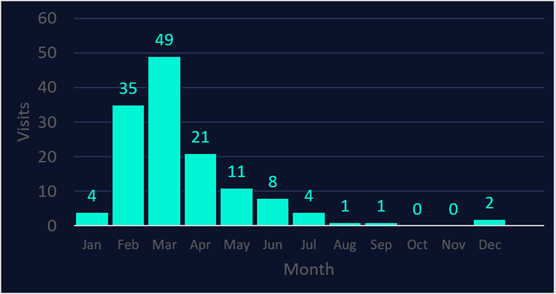
A few select players still manage to squeeze in trips during the brief gaps between OTAs and Summer Training Camp, though they remain the minority. You might notice a handful of visits recorded during the grueling training camp months (August) or in the middle of the regular season; however, these almost exclusively represent legendary veterans—such as Whitney Mercilus or Mark Ingram—visiting after transitioning into their well-earned retirement.
3. Positional Analytics: The Defensive Edge and the O-Line Mystery
The chart below breaks down verified visits by position. On the whole, defensive stars (highlighted in teal) tend to travel to Japan at a higher frequency than their offensive counterparts. But the most fascinating anomaly lies within the Interior Offensive Line (IOL): we have only recorded 2 Offensive Guards (OG), and absolutely zero Centers (OC) have set foot in Japan yet.
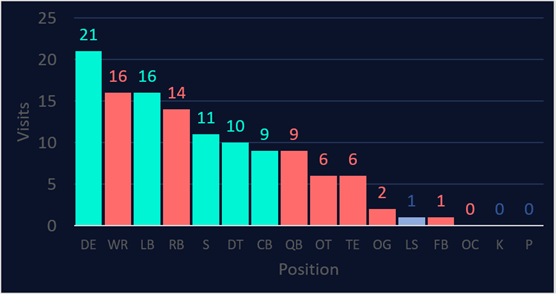
Why do we see such a beautiful scarcity of Offensive Linemen making the journey? A few highly respected theories within the community include:
- Logistical and Physical Barriers: The absolute titans of the trenches often face unique physical hurdles. Enduring a 10-to-14-hour international flight, navigating Japan’s famously compact Shinkansen (bullet trains) and domestic aircraft, and finding hotel beds that comfortably accommodate a 300+ lb elite athlete present genuine logistical challenges.
- The “Unsung Hero” Work Ethic: O-linemen are traditionally the most stoic, blue-collar workers on a roster, often keeping a low profile on social media, which makes their travels harder to track. Furthermore, the intense culture of the position demands continuous, grueling strength training and bulk-maintenance even in the dead of the offseason.
- Cultural Preferences: Interestingly, when a rare OL star does visit, their itineraries focus heavily on deep historical sites, shrines, and temples—showing a profound respect for traditional Japanese history, rather than the modern pop-culture or fashion scenes favored by skill-position players.
Note: While elite Specialists (Kickers and Punters) likely visit for international clinics or private travel, our database has yet to capture them, making them a high priority for future archiving.
4. The Hot Spot Power Rankings: Top 10 Destinations
The following table ranks the specific destinations in Japan by the number of unique NFL player visits.
| Rank | Destination | Unique Player Visits |
|---|---|---|
| 1 | Fushimi Inari Taisha (Kyoto) | 12 |
| 1 | Shibuya Scrumble Crossing (Tokyo) | 12 |
| 3 | Arashiyama Bamboo Grove (Kyoto) | 11 |
| 4 | Ichiran Ramen (All Locations) | 9 |
| 5 | teamLab Planets TOKYO DMM (Tokyo) | 8 |
| 6 | Tokyo Dome (Tokyo) | 7 |
| 8 | Dotonbori / Ebisubashi Bridge (Osaka) | 6 |
| 8 | Meiji Jingu Shrine (Tokyo) | 6 |
| 8 | Jump Shop Shibuya (Tokyo) | 6 |
| 8 | Senso-ji Temple - Nakamise Street (Tokyo) | 6 |
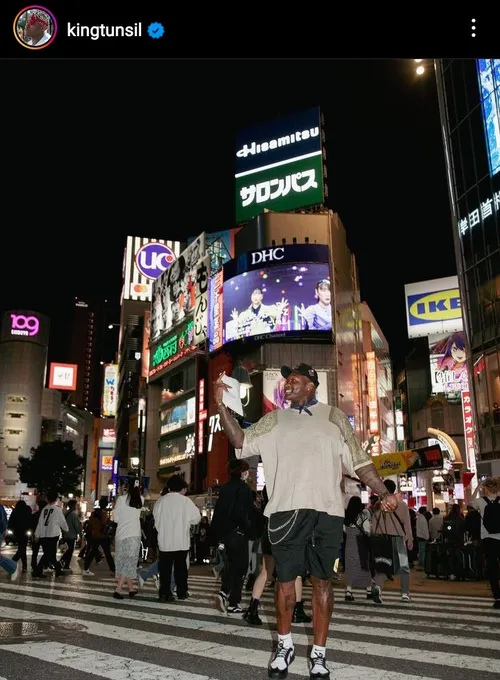
The legendary, picturesque Famine-Inari Shrine in Kyoto (famous for its thousands of vermilion Torii gates) shares the #1 crown with the globally iconic Shibuya Crossing in Tokyo.

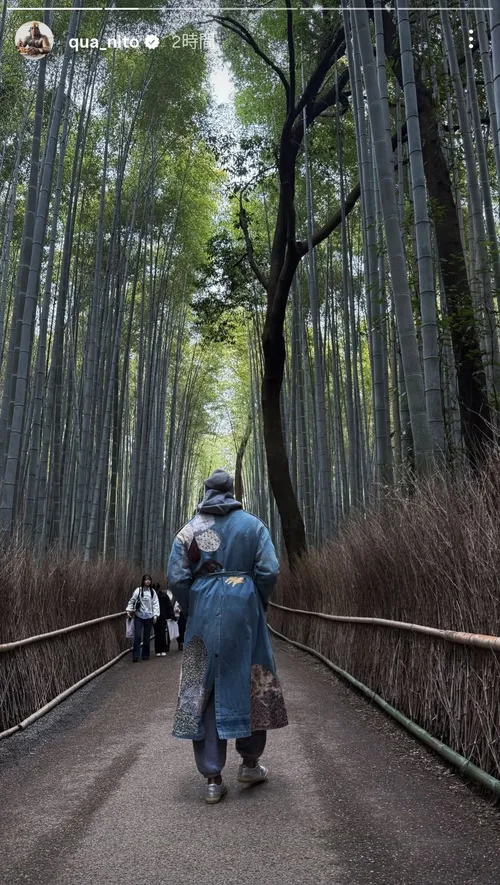
Kyoto’s breathtaking Arashiyama Bamboo Grove proudly claims the #3 spot.
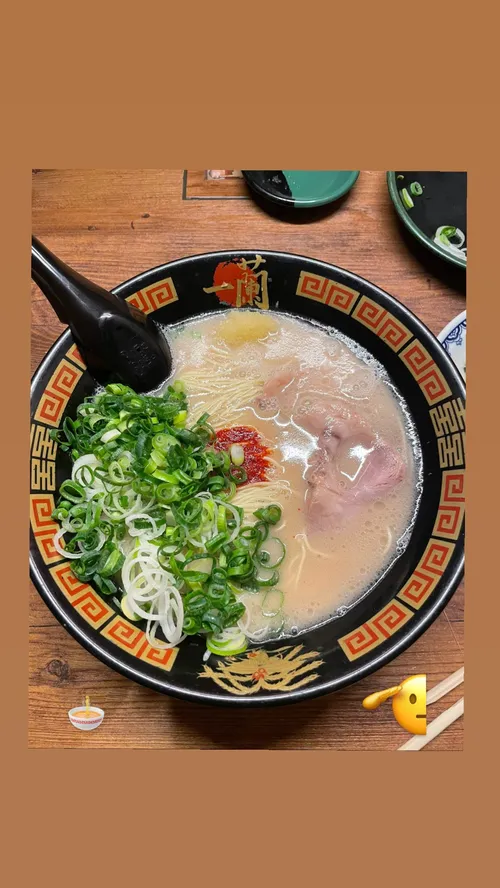
Meanwhile, the famous tonkotsu ramen chain “Ichiran” has become an absolute staple for athletes, drawing 9 unique players.

Tokyo Dome’s high ranking is bolstered by 5 players who visited specifically to throw out honorary first pitches for Japanese professional baseball games.
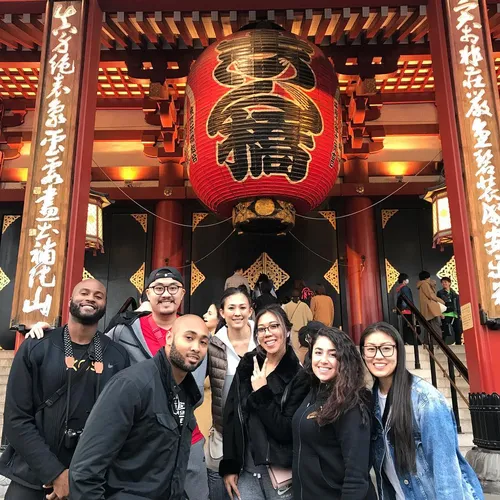
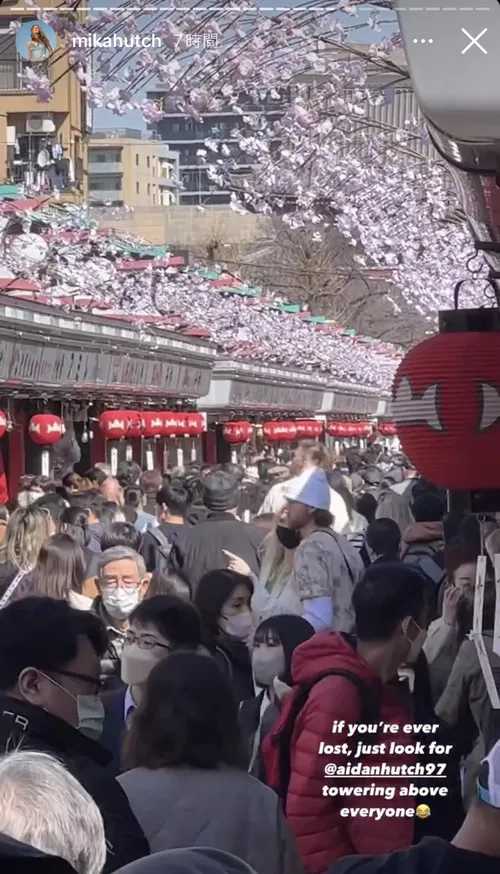
Insight Note: For Senso-ji Temple in Asakusa, if we look strictly at the Nakamise shopping street, it counts 6 visits. However, if we combine the entire temple grounds—including Kaminarimon Gate, Hozomon Gate, and the Main Hall—the total skyrockets to 18 visits, making it arguably the most popular spiritual landmark for players nationwide.
5. Density Map: Exploring the 1km Mesh Hot Spots
To visualize exactly where these incredible athletes spend their time, we have mapped their footprints using a high-resolution 1km geographic grid. The map clearly demonstrates how intensely the energy of Tokyo’s Shibuya district acts as a primary hub for visiting players. Feel free to zoom in, drag, and explore the interactive map below to see the precise grids where the worlds of the NFL and Japan intersect.