Sumo Through the Eyes of NFL Players: From Grand Tournaments to Training Stables
Featured Collection
Sumo is one of Japan’s most iconic combat sports. The sight of massive athletes clashing with full force resonates deeply with the collision of linemen in American football, prompting many visiting NFL players to show a keen interest in sumo.
Grand Sumo represents the pinnacle of professional sumo—the ultimate championship stage where elite wrestlers compete for top honors. It holds six official 15-day tournaments (Honbasho) each year across designated cities. Since the early spring tournament (Haru Basho) takes place in Osaka—coinciding with the prime travel window for NFL players—timing must be precisely aligned to catch a live official match. However, there are alternative ways to experience sumo, such as visiting tourist-friendly sumo entertainment restaurants or even stepping inside an authentic sumo stable.
Here is a collection of photos capturing the various ways NFL players have experienced the world of sumo.
1. Watching Grand Sumo Tournaments
Leonard Williams
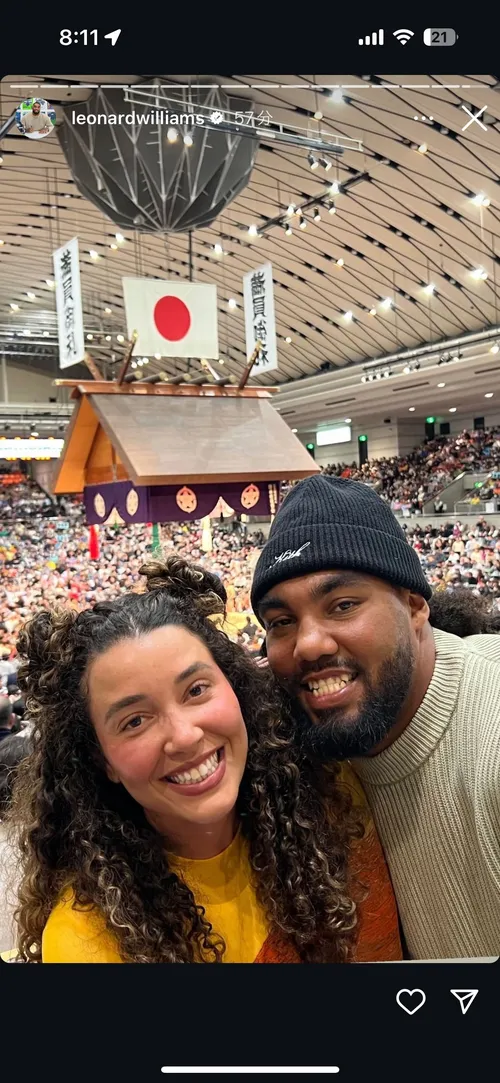
Three photos taken during the Osaka Grand Sumo Tournament (Haru Basho). The first is a cheerful snapshot alongside his partner, showcasing how much they enjoyed the atmosphere. Despite being a selfie, it beautifully frames the background, including the iconic hanging roof (Tsuriyane), national flags, and venue ceiling.
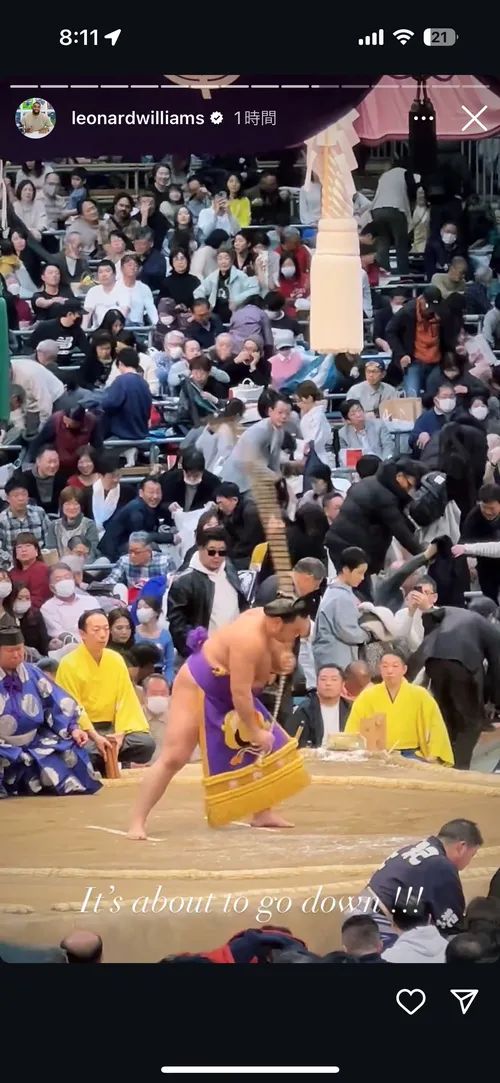
The second photo depicts the bow-twirling ceremony (Yumitori-shiki), a traditional ritual performed at the end of each tournament day. This reveals that they stayed and immersed themselves until the very end of the final bout.
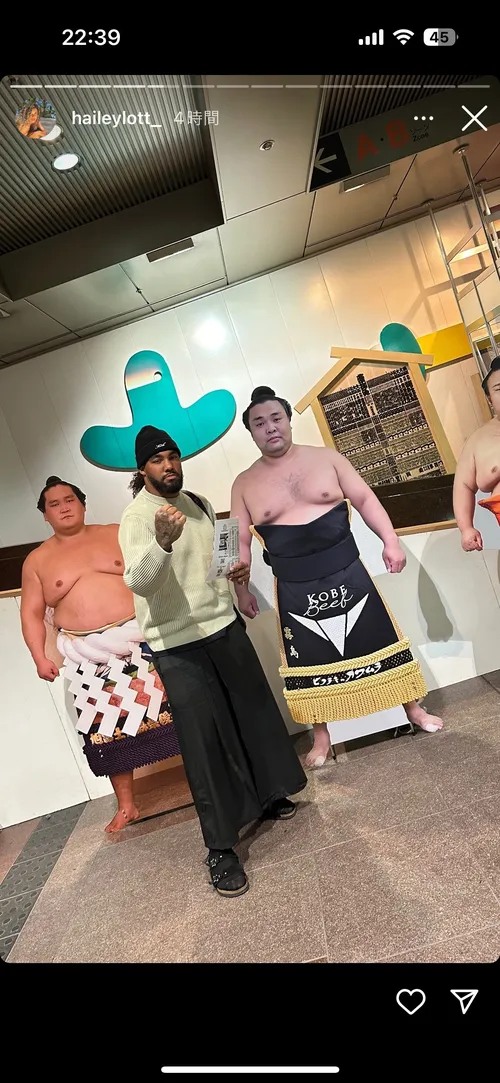
The third photo was taken next to life-sized cutout displays of active wrestlers. While a classic tourist photo, seeing an NFL player standing beside Yokozuna Terunofuji on the left and Kirishima on the right reveals a massive physique that easily rivals top-tier sumo champions.
David Bakhtiari
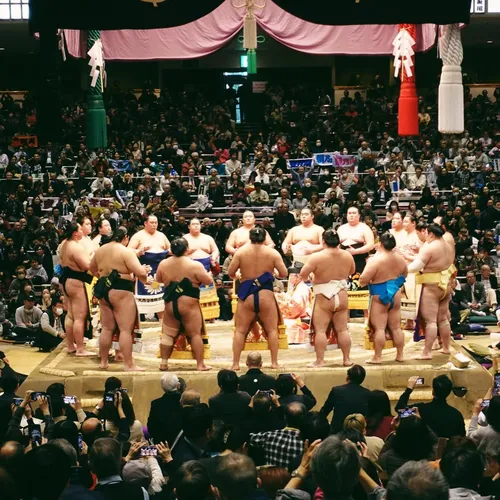
Based on the posting date and surrounding photos, this shot appears to capture the top-division ring-entering ceremony (Makuuchi Dohyo-iri) at the Ryogoku Kokugikan during the January tournament (Hatsu Basho). Featuring a classic symmetrical composition with the hanging roof above and the clay ring (Dohyo) centered below, it vividly displays wrestlers lined up in their colorful ceremonial aprons (Keshomawashi).
Myles Garrett
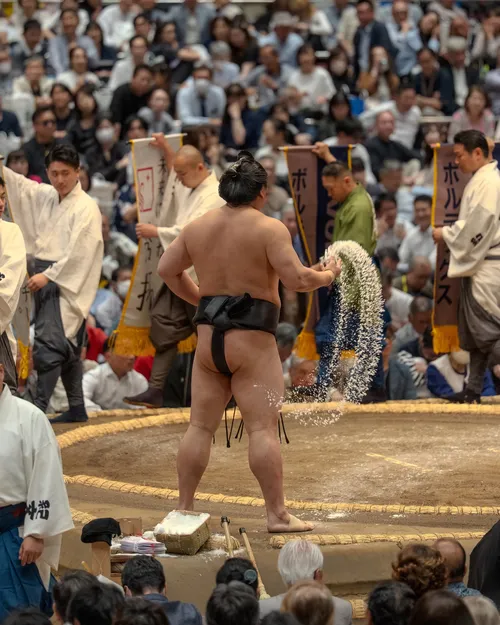
Two exceptional shots also believed to be from the Osaka tournament (Haru Basho). The first captures the precise moment of salt-throwing (Shiomaki) right before a bout, a ritual performed to purify the ring. Using a perfectly tuned shutter speed, individual grains of salt are frozen in mid-air while preserving their dynamic motion, blending action with quiet intensity. By centering the wrestler and tastefully softening the background crowd, Garrett’s eye naturally guides the viewer toward the wrestler’s back and the rising salt—a brilliant showcase of his photography skills.
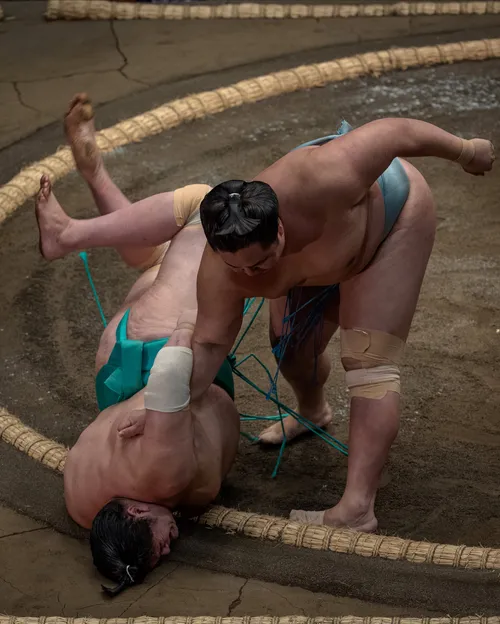
The second shot captures the exact split-second a thrown wrestler’s head and shoulder graze the clay ring. The image is of such high quality that it could seamlessly grace a professional sports news publication. By framing both wrestlers fully in a single shot, it demonstrates a keen understanding of sumo’s lightning-fast deciders.
2. Casual Sumo Experiences (Sumo Entertainment Restaurants)
Because official tournaments are limited by schedule and location—and tickets can be tough to secure—sumo entertainment restaurants in Tokyo and Kyoto offer a smart, accessible alternative for visiting NFL stars. These venues allow guests to enjoy traditional Chanko Nabe (sumo hot pot) while watching intense demonstrations and exhibition bouts up close. Complete with English commentary, visitors even have the opportunity to step onto the ring themselves.
DeShon Hand
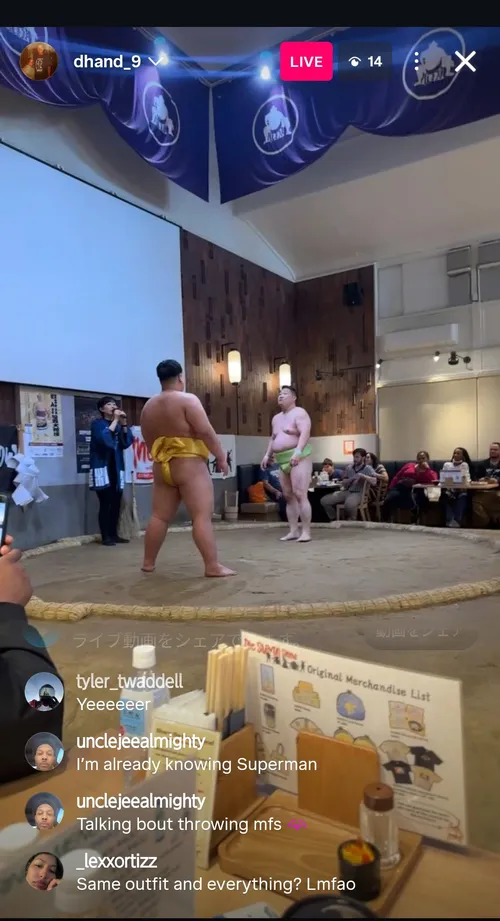
Judging by the interior decor, this appears to be the “Asakusa Sumo Club”. The photo shows Hand enjoying an energetic bout between former sumo wrestlers from prime front-row seats right next to the ring.
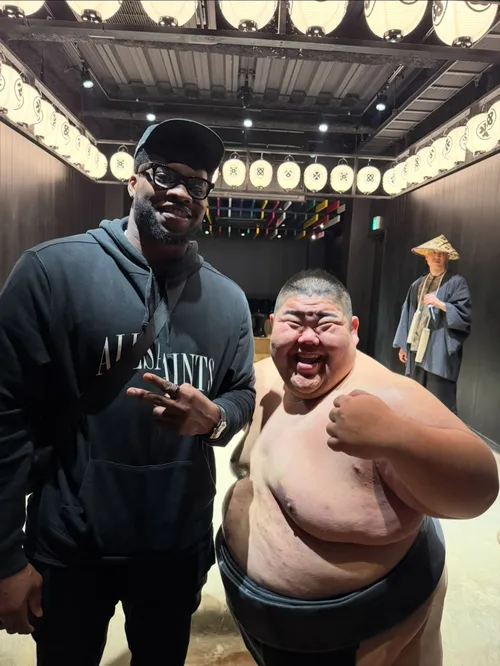
Emmanuel Ogbah
A memorable snapshot alongside a former sumo wrestler at a sumo entertainment restaurant.
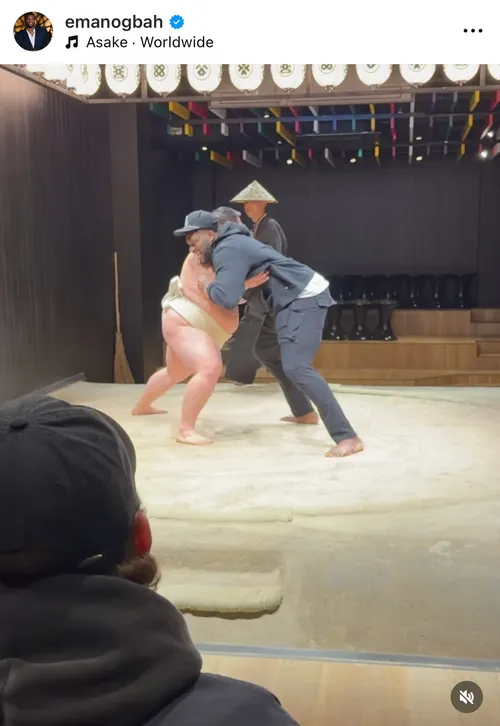
In the second photo, Ogbah himself steps into the ring for an actual bout. As expected of an NFL defensive end, his massive frame holds its own remarkably well against a sumo wrestler.
Cameron Jordan
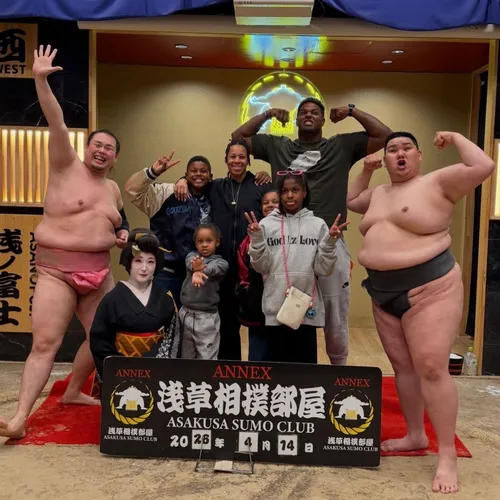
A family photo taken at “Asakusa Sumo Club ANNEX”. Even when standing alongside former sumo wrestlers, Jordan’s towering height stands out head and shoulders above the rest. One of the main advantages of entertainment sumo restaurants is how easily they accommodate large family trips.
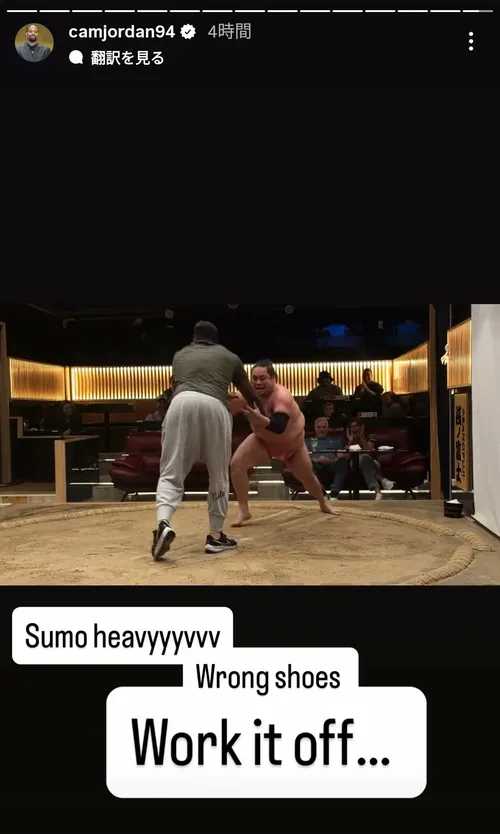
The second photo captures Jordan entering the ring himself. Playful captions detailing how he struggled after stepping onto the ring in sneakers perfectly reflect Jordan’s charismatic, fun-loving personality.
Davon Godchaux
Another shot from “Asakusa Sumo Hall ANNEX,” featuring Godchaux alongside his partner, supermodel Chanel Iman. Dates suggest they visited just a day after Cameron Jordan, likely giving the restaurant staff a delightful surprise two days in a row.
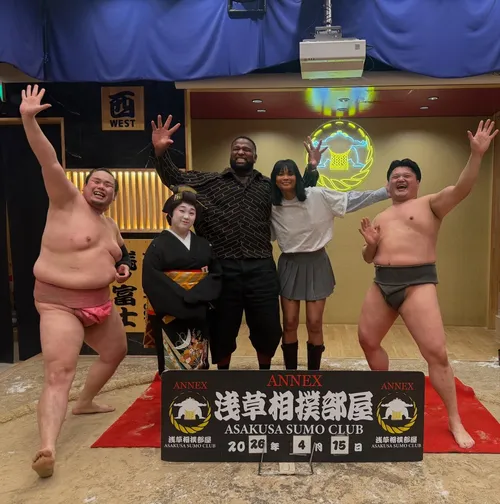
Incidentally, playful footage of Chanel Iman donning a padded sumo suit and enjoying a match can be seen on her Instagram page.
3. Authentic Sumo Stable Visits & Training Experiences
Seeking a deeper immersion into sumo culture, some NFL players visit active training stables (Heya). More than just a gym, a stable functions like a tight-knit clan, where wrestlers live, eat, and train together under a stablemaster. This rare access represents a unique athletic exchange seldom available to ordinary tourists.
Mike Green
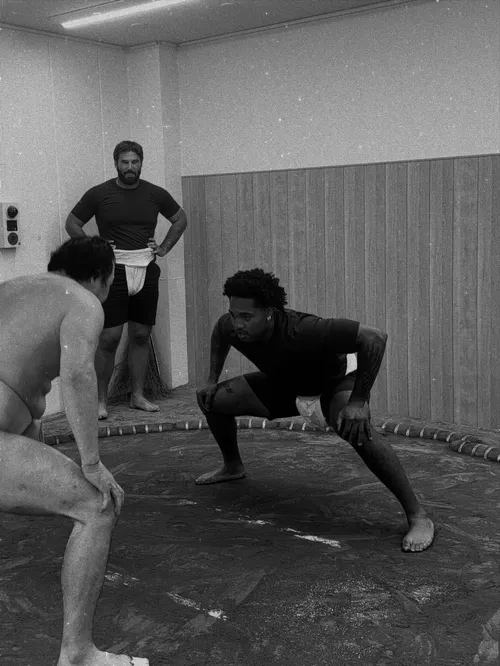
A serious training session shot that stands miles apart from casual tourism. Featuring plain wood-paneled walls, overhead fluorescent lighting, and a properly tied Mawashi (sumo belt), this setting appears to be an authentic sumo stable or high-level academic training hall. Converting the photo to black-and-white highlights Green’s intense focus and the solemnity of the moment.
Carl Lawson
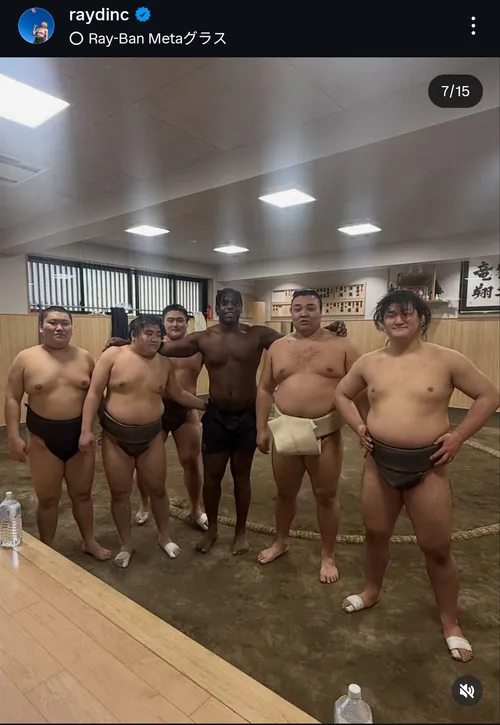
A rare shot from a direct visit to Otowayama Stable. Ozeki Kirishima can be seen wearing a white Mawashi. Holding the rank of Ozeki—the second-highest rank in sumo, second only to Yokozuna—Kirishima represents the absolute elite of the sport. Lawson himself is dressed in compression tights and barefoot, indicating he stepped onto the clay to test his strength and experience authentic training firsthand.
Tom Brady
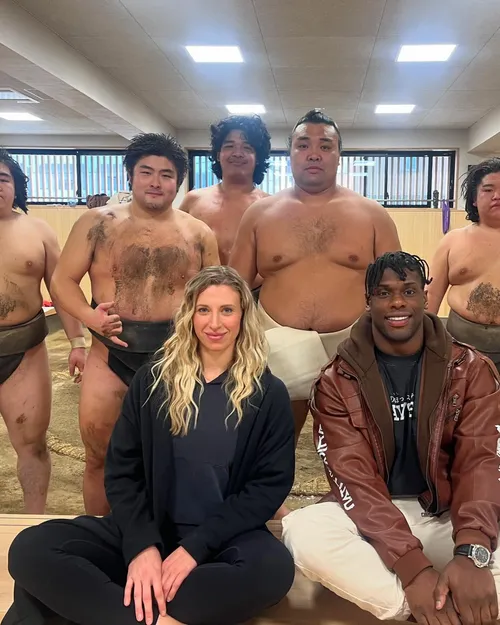
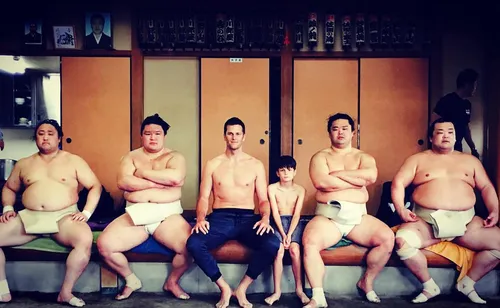
Captured during a 2017 visit to Sakaigawa Stable, an active Tom Brady engaged in a full sumo training experience. The memorable group photo shows Brady alongside top white-belt wrestlers of the stable at the time, including Goeido, Sadanoumi, Toyonoshima, and Sadanofuji.
Here, Brady is pictured taking on his son in a lighthearted match right on the ring.
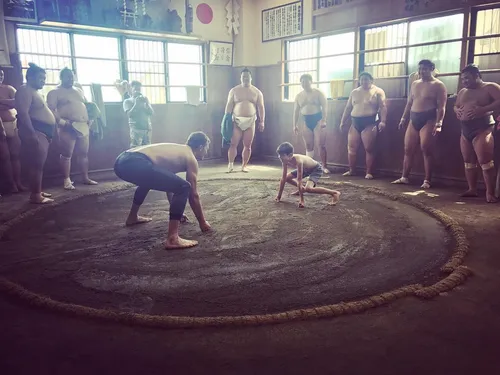
Vivid video footage from this 2017 training session remains available on Instagram.
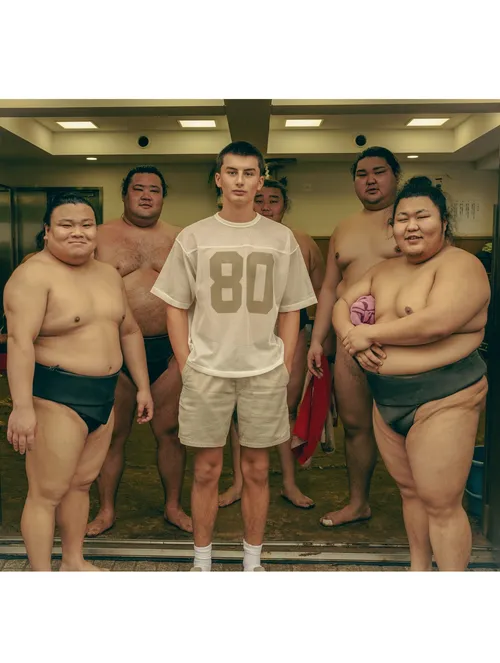
Brady returned to Japan in 2025, this time visiting Onoe Stable.
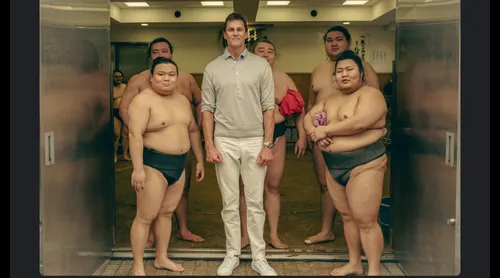
While Tom Brady himself isn’t pictured in this specific shot, it features his son, Benjamin Brady. Viewing the young man—who has grown significantly over those eight years—through a father’s lens is a heartwarming moment for fans as well.
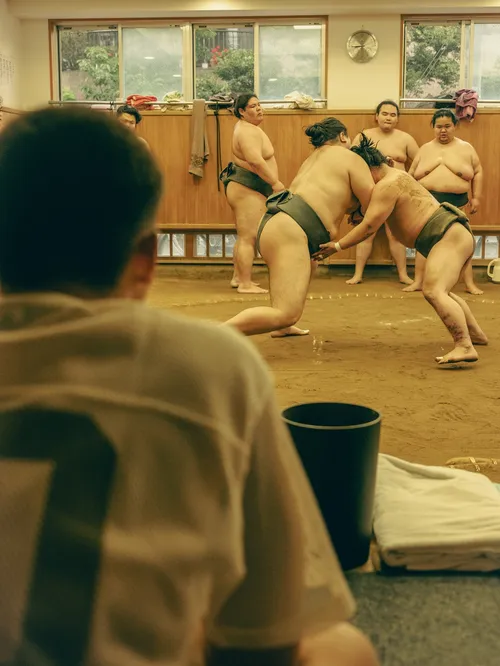
Micah Parsons & C.J. Stroud
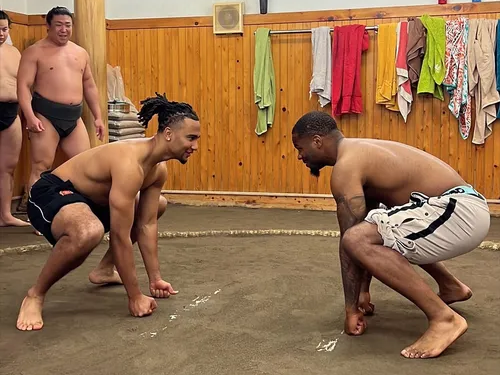
Captured during their visit to Arashio Stable, this high-octane photo shows Parsons and Stroud facing off on the ring right at the moment of initial charge (Tachiai).
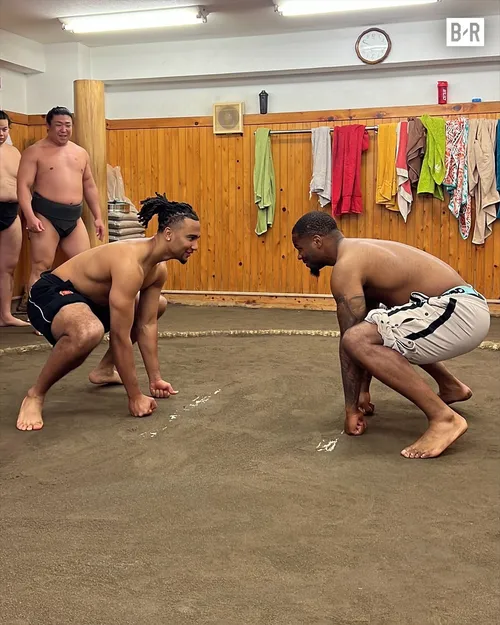
Full coverage of their visit is available on YouTube (stable experience begins around the 2:10 mark):
Summary
From the electrifying intensity of Grand Sumo tournaments and casual entertainment dining to stepping inside working stables to clash with active wrestlers, NFL stars enjoy Japan’s national sport in their own unique ways. Seeing elite American football players share the ring with traditional sumo wrestlers in mutual respect highlights a truly extraordinary moment of cross-cultural athletic connection.
Special thanks to sumoprogramming for research and insights