NFL Players Explore Japan's Historic Castles
Featured Collection
When thinking of a Japanese castle, the image that immediately comes to mind is the iconic central keep, or Tenshu. However, these majestic structures were built less as defensive fortresses and more as bold symbols of power, prestige, and authority for ruling feudal lords (daimyo).
Interestingly, the vast majority of original keep structures were constructed during a surprisingly narrow 40-year window between the 1580s and 1620s. Because they were crafted entirely of wood, many were lost over the centuries to fires, lightning, and wars. Today, only 12 original keeps survive intact across Japan - revered as the “12 Original Keeps” (Genzon Juni-Tenshu). On the other hand, many famous keeps seen today were lovingly reconstructed out of concrete by local communities from the mid-20th century onward, known as “Reconstructed Keeps” (Fukko-Tenshu).
Here is a look at how visiting NFL players captured these historic strongholds - from towering keeps and gold-adorned palace gates to serene Japanese gardens and the massive, intricately carved stone walls that fascinate castle enthusiasts worldwide.
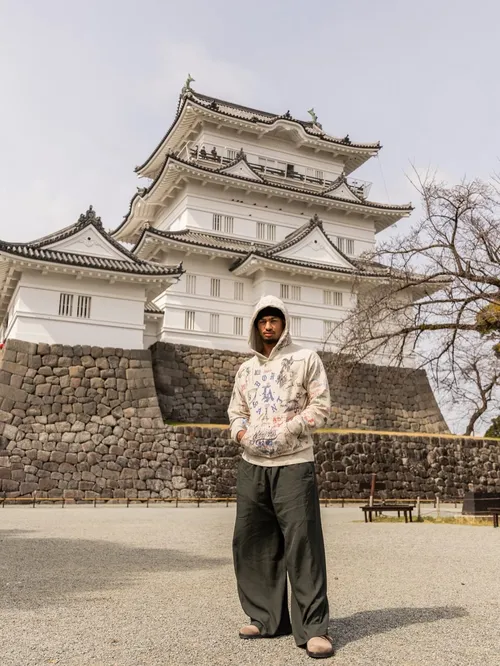
Jaxon Smith-Njigba
This first shot places the reconstructed keep of Odawara Castle and Smith-Njigba in the same frame - a captivating blend of ancient history and a modern NFL star. Odawara Castle is the most accessible castle keep from Tokyo, making it an easy day trip. It is also famous for its cherry blossoms, which peak in spring - right when many NFL players visit Japan - so we might see even more players visiting in the future!
Myles Garrett
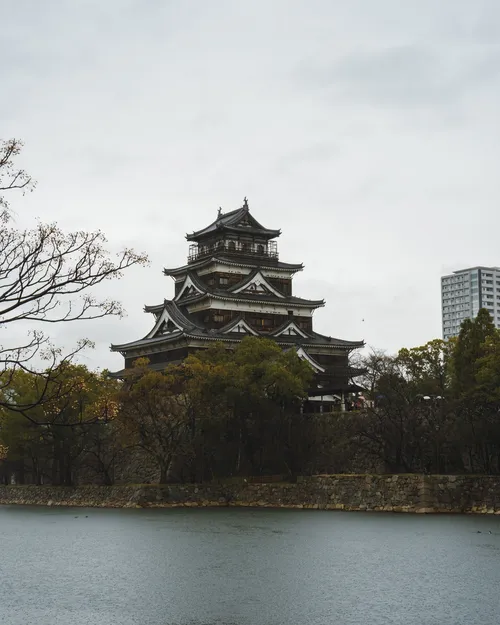
Garrett visited Hiroshima Castle. His photo features a remarkably well-balanced composition framing the moat, reflecting water, stone ramparts, reconstructed keep, and surrounding greenery. The tree branch framing the top-left demonstrates a seasoned photographer’s eye.
Ronnie Stanley
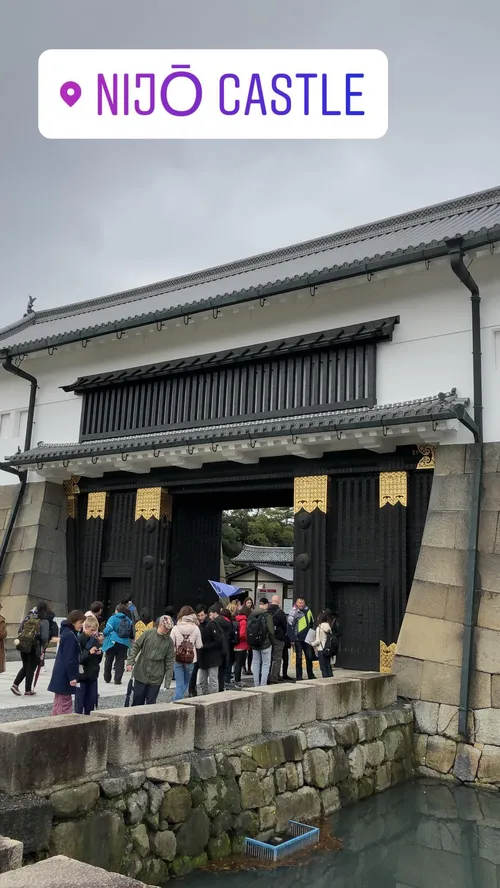
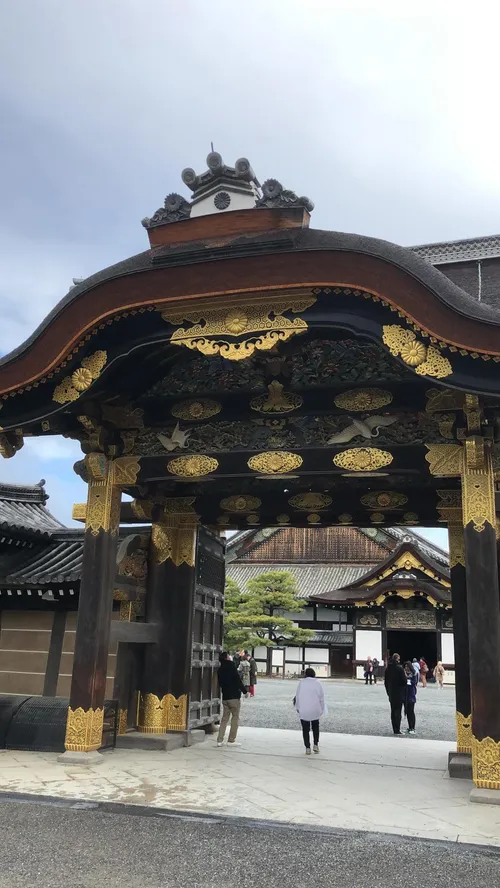
Although Nijo Castle in Kyoto no longer has its central keep, it remains a must-visit landmark. Built by Tokugawa Ieyasu (the first shogun of the Edo Period), it hosted both the rise of the Tokugawa Shogunate in 1603 and its final downfall (the Taisei Hokan) in 1867. The UNESCO-listed Ninomaru Palace stands intact, showcasing the lavish samurai culture of the early 17th century.
Stanley’s first photo shows the Higashi Otemon (East Main Gate), decorated in vibrant gold leaf designed to project absolute authority to Kyoto’s aristocrats and citizens.
His second photo frames the Karamon Gate in the foreground with a peek at the National Treasure Ninomaru Palace behind it. Like the main gate, it features rich, elaborate gold leaf ornamentation.
Whitney Mercilus
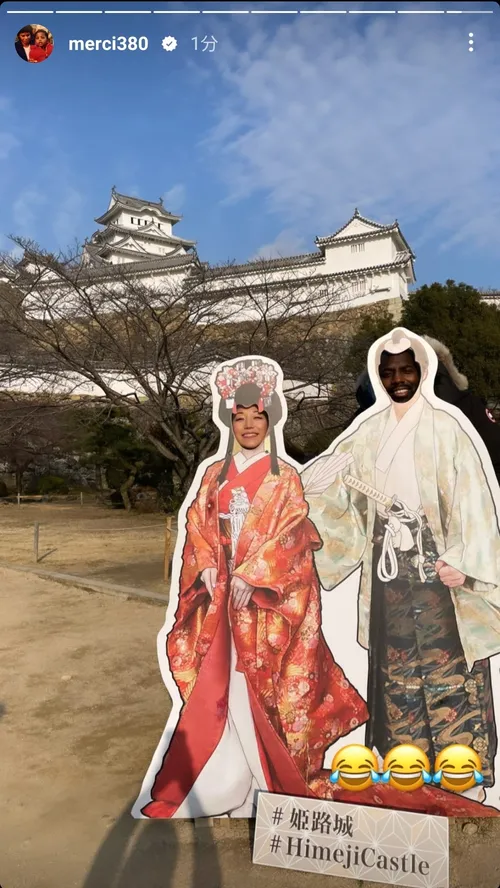
Mercilus captured Himeji Castle - one of Japan’s 12 original wooden keeps, a UNESCO World Heritage site, and widely regarded as the pinnacle of Japanese castle architecture. Often called “White Heron Castle” (Shirasagi-jo) due to its brilliant white plaster walls, Mercilus embraces the fun of travel by posing behind a traditional Japanese face-in-the-hole cutout board.
Leonard Williams
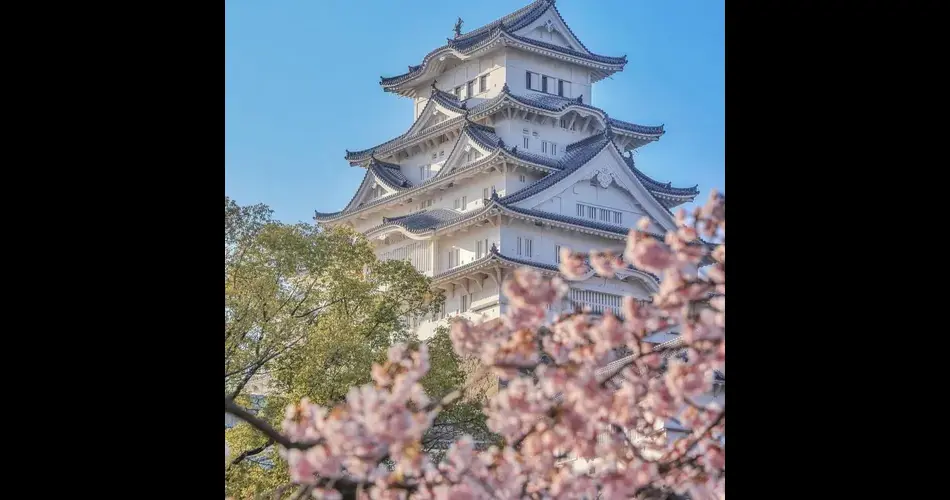
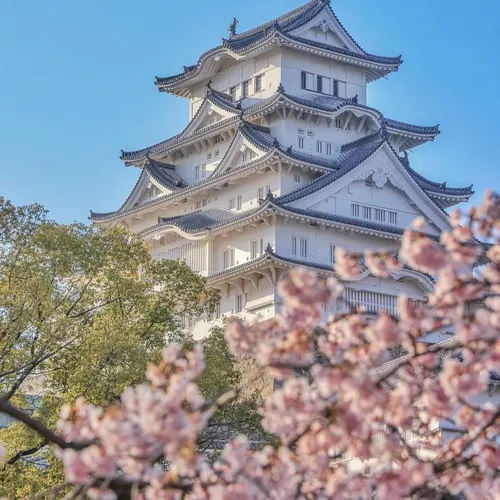
Also taken at Himeji Castle, Williams used a shallow depth of field to blur the foreground cherry blossoms, adding dramatic depth. The contrast between pink blossoms, blue sky, fresh green leaves, and the castle’s iconic white plaster makes for a stunning composition.
Alec Pierce
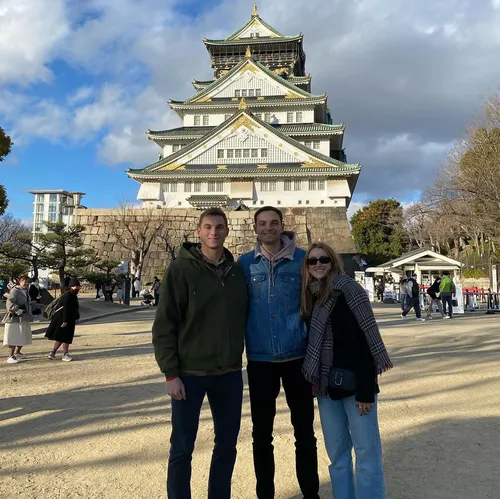
Next up is Osaka Castle, one of the most popular destinations for visiting NFL stars due to its convenient location in central Osaka and easy travel access from Kyoto. Known for its massive moats, legendary stone walls, and a replica display of warlord Toyotomi Hideyoshi’s famous Golden Tea Room.
Pierce snapped a classic commemorative photo in front of the main keep after passing through the southern Sakuramon Gate. The weathered pine branch arching overhead creates a wonderful natural frame.
Jackson Hawes
Hawes took a similar low-angle shot from the main courtyard looking up at the keep, emphasizing the sheer majesty of Osaka Castle’s massive stone foundation and soaring architecture.
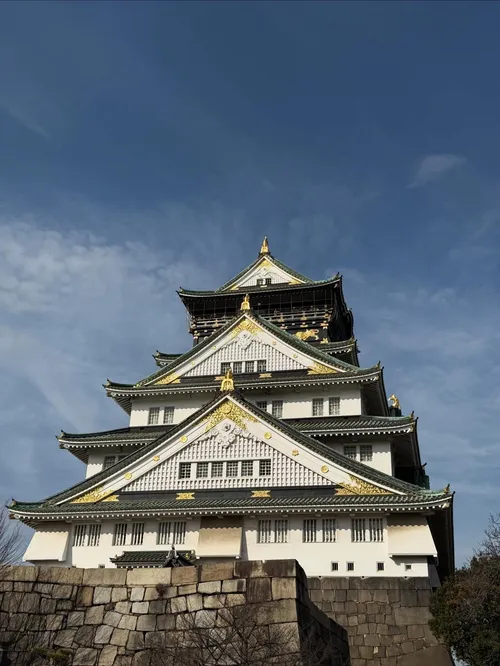
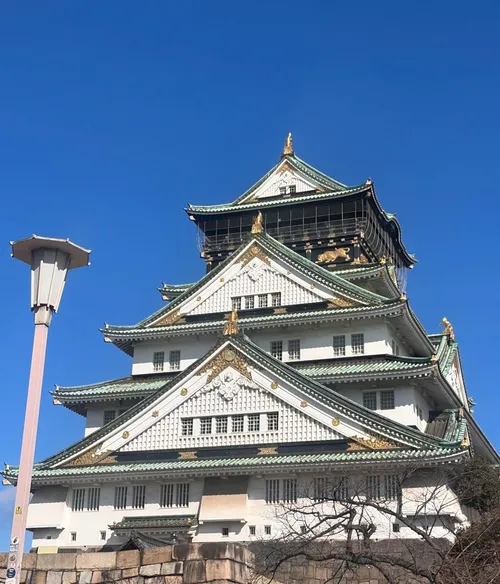
Bijan Robinson
Shot from a nearly identical angle, Robinson focused sharply on the keep itself, bringing out the crisp gold details and ornate roof decorations.
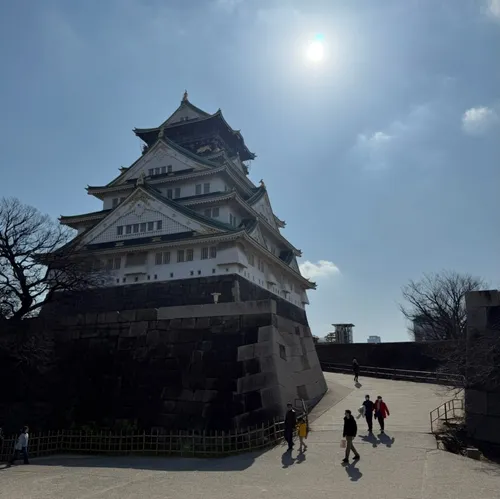
Dylan Laube
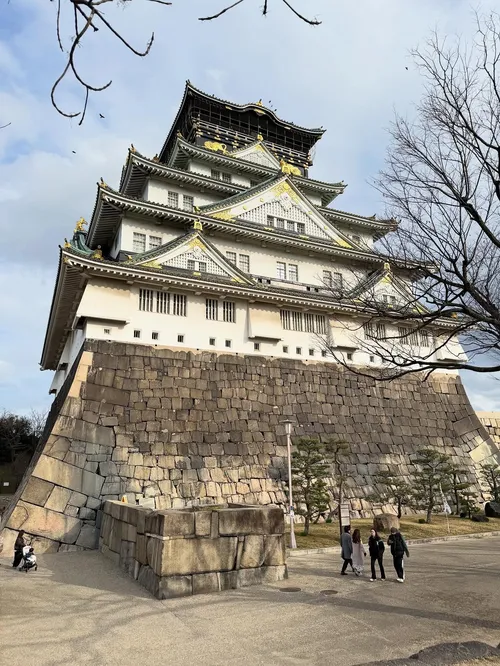
Changing up the angle, Laube captured the castle from the northwest. The presence of visitors at the base offers a striking sense of human scale against the towering keep and mammoth stone wall.
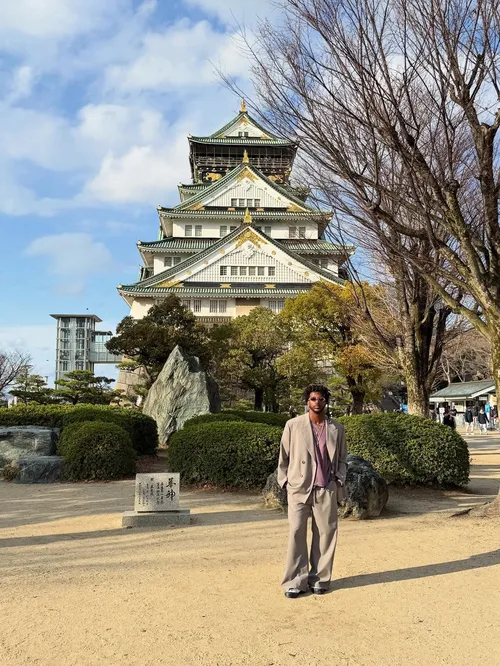
Kwity Paye
Paye’s first photo steps back in the main courtyard, incorporating the beautifully manicured Japanese garden into the frame along with the keep.
His second photo captures the western side of the keep, using human scale once again to highlight the staggering height of the stone ramparts.
Malik Turner
Turner shared several fantastic shots of Osaka Castle.
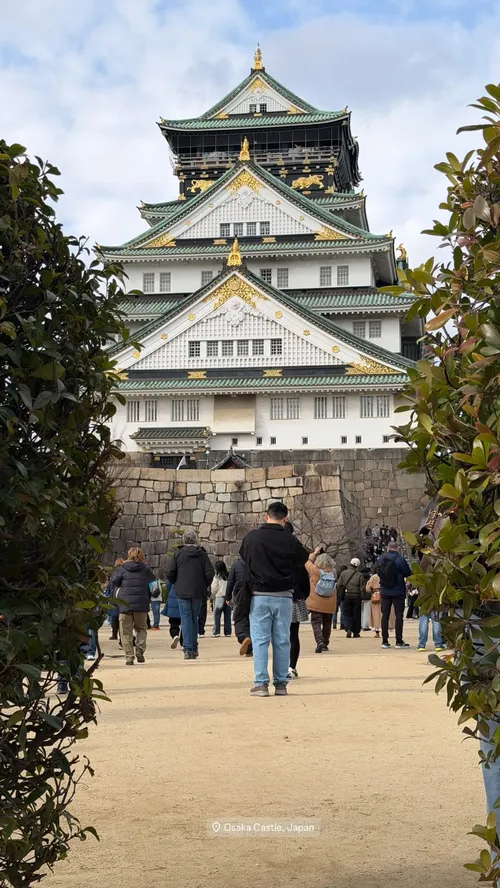
His first shot uses lush greenery on both sides to create a natural frame, highlighting the depth of the pathway and visitors heading toward the keep.
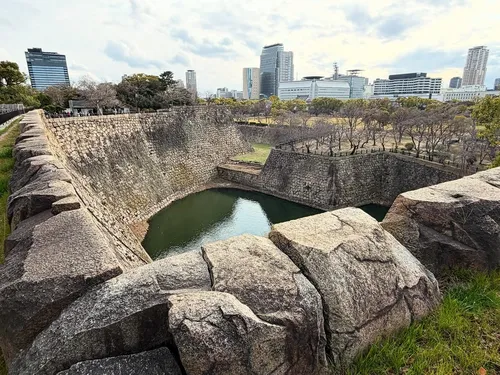
His second photo focuses dynamically on the raw texture of the giant stone wall, setting up a powerful contrast between 400-year-old masonry and modern skyscrapers in the distance. Real Japanese castle enthusiasts pay closest attention to the stone walls (Ishigaki), proving Turner has a true connoisseur’s eye.
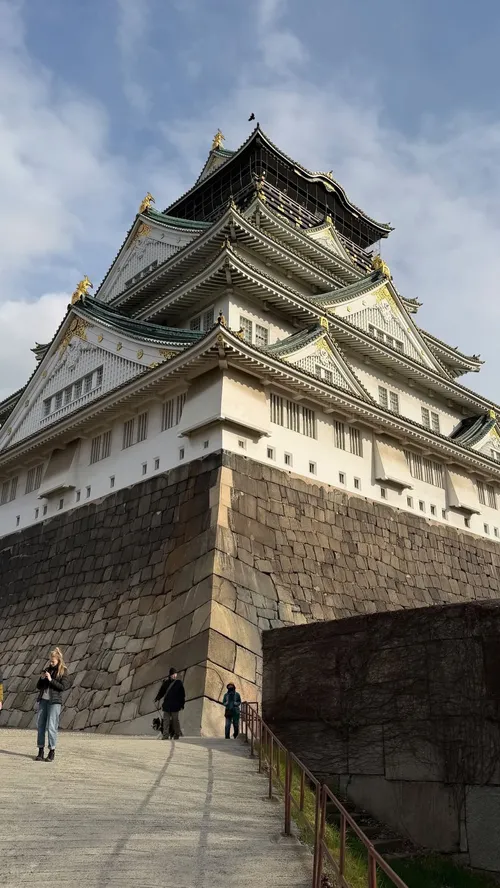
His third photo uses the sloping pathway and stone corner as a dynamic starting point, sending the keep soaring diagonally into the sky. The scale comparison with visitors below makes it feel like an imposing, indestructible fortress.
Summary
From graceful castle towers and rugged stone wall textures to the contrast between ancient fortresses and modern cityscapes, each player brought a unique perspective to Japan’s iconic castles. The immense scale, military craftsmanship, and enduring majesty of these historic strongholds clearly left a lasting impression on these NFL stars.
We will continue to update this article as more NFL players share their amazing travel photos from Japan!